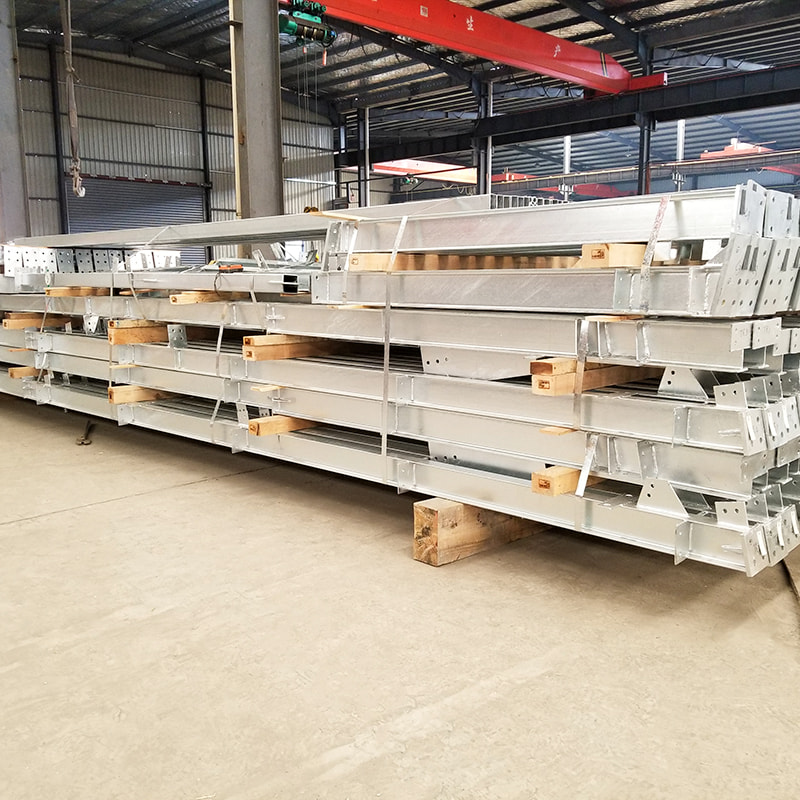
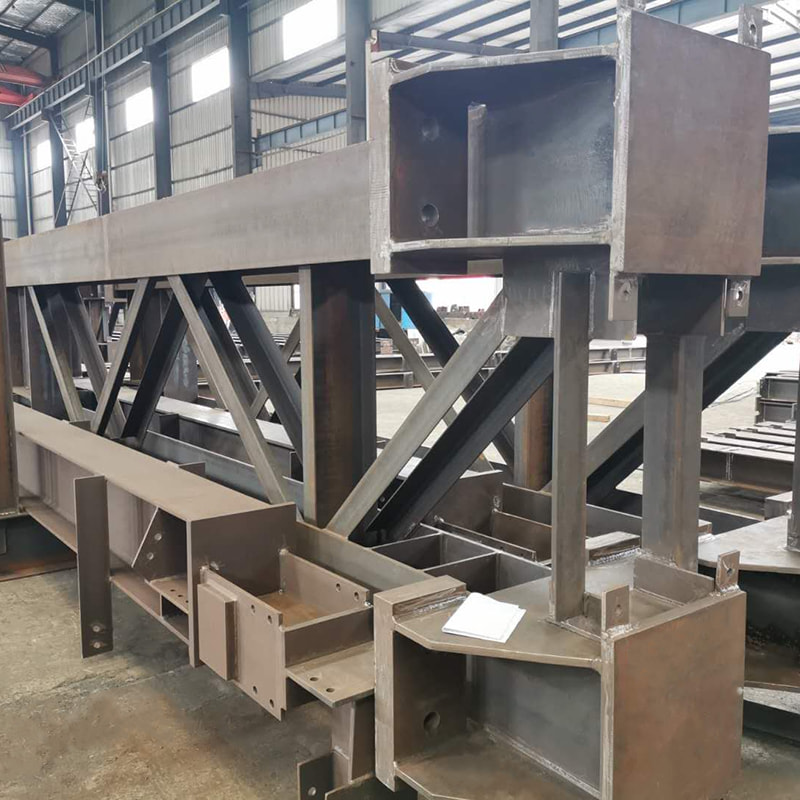
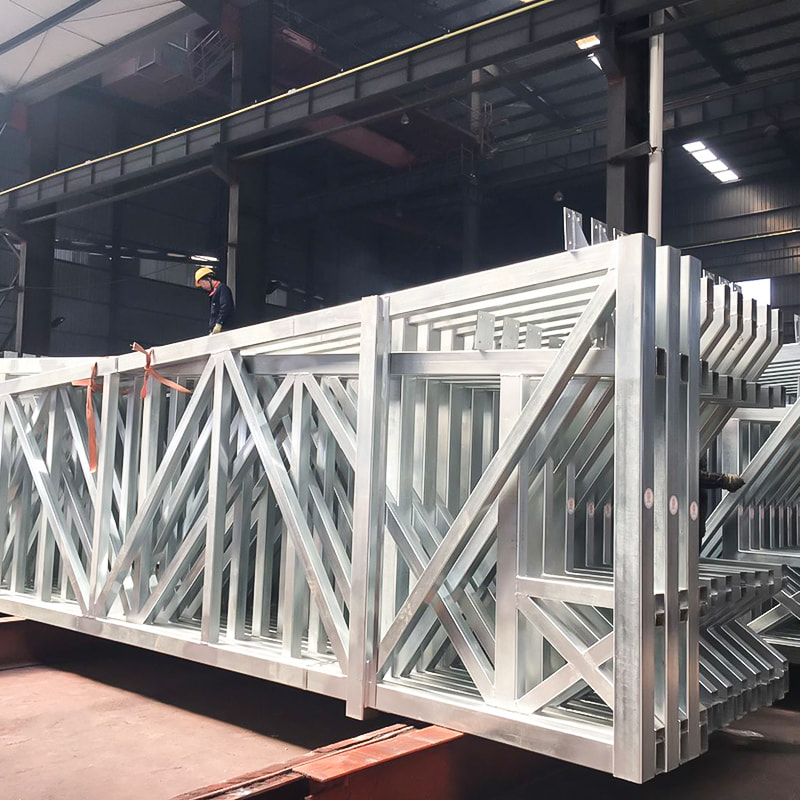
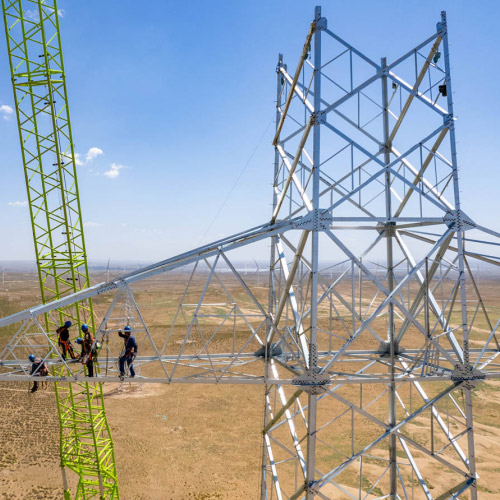
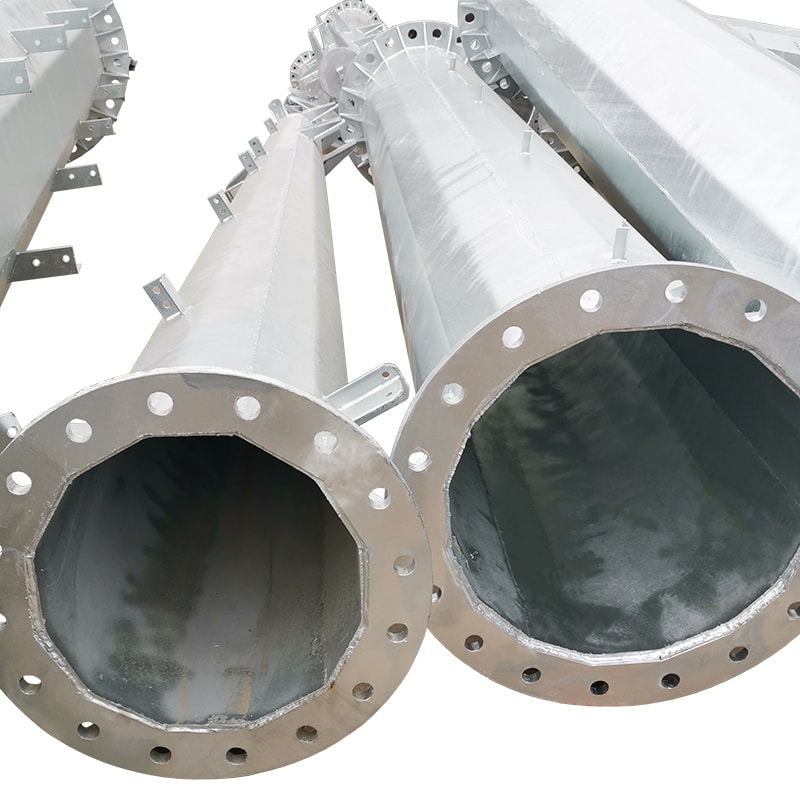
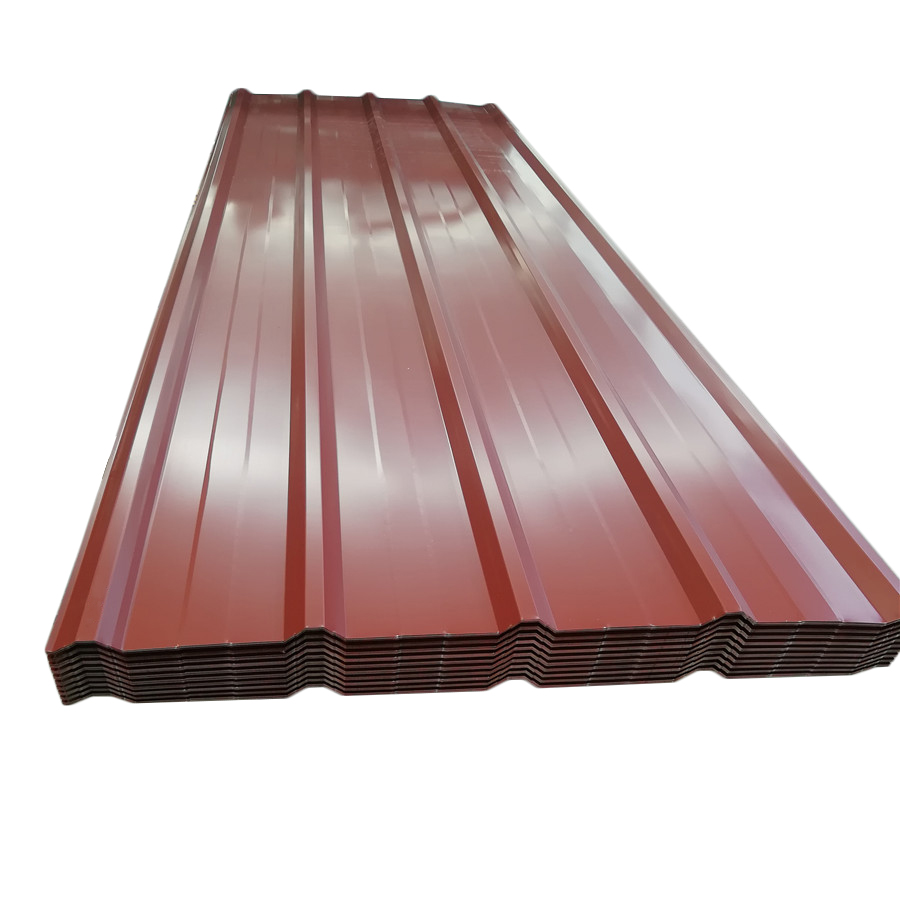
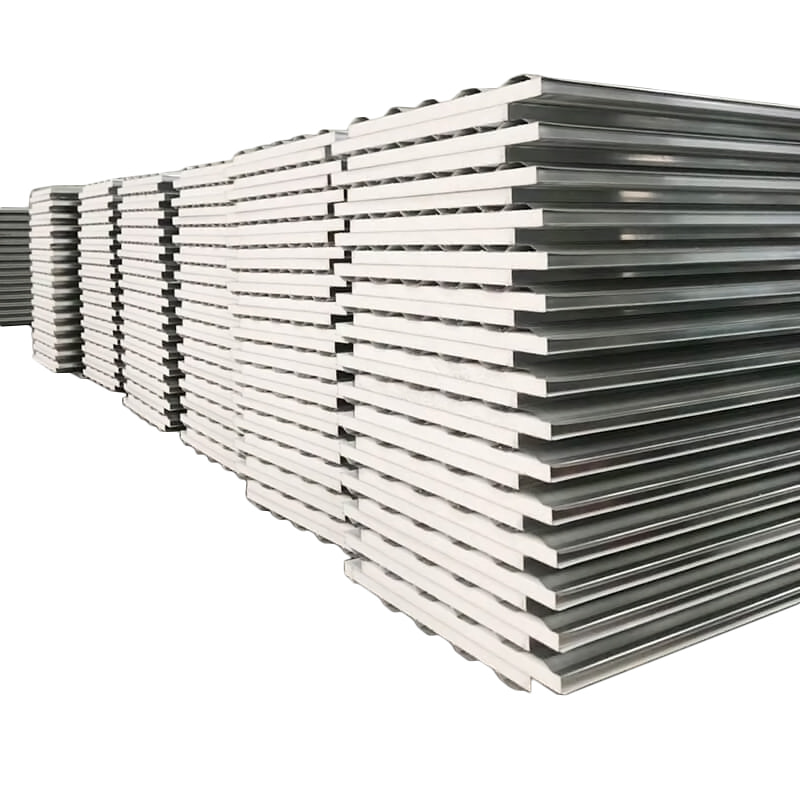
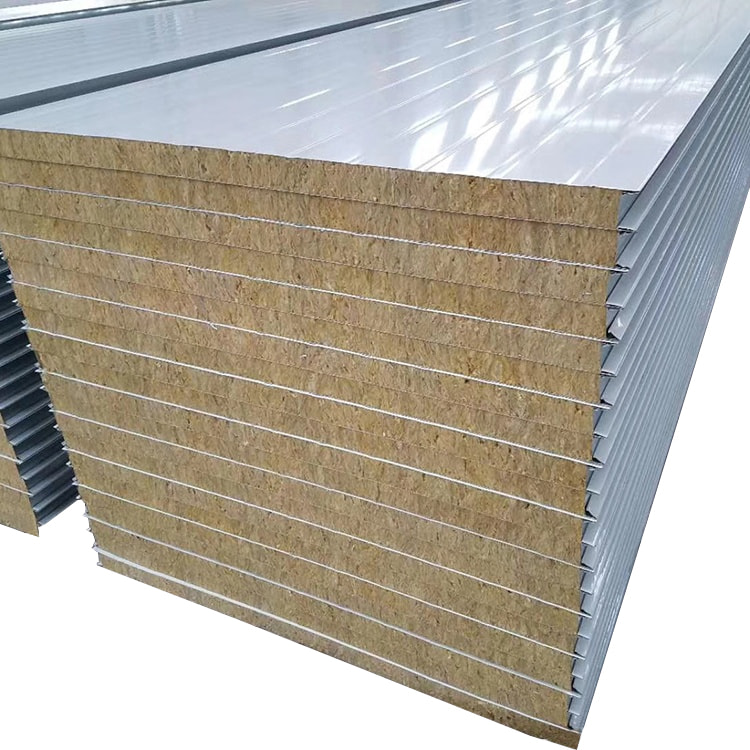
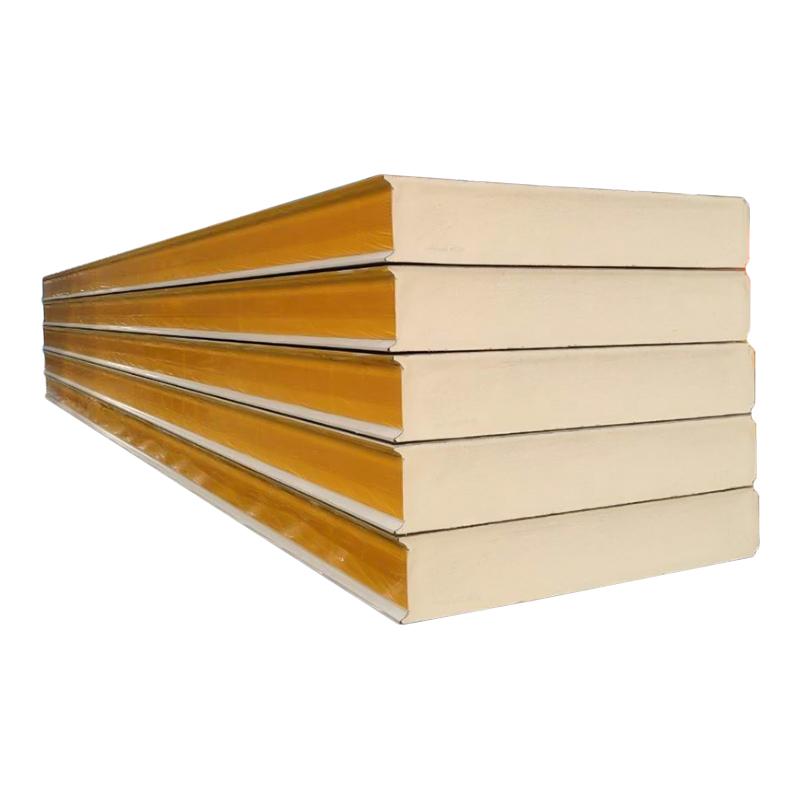
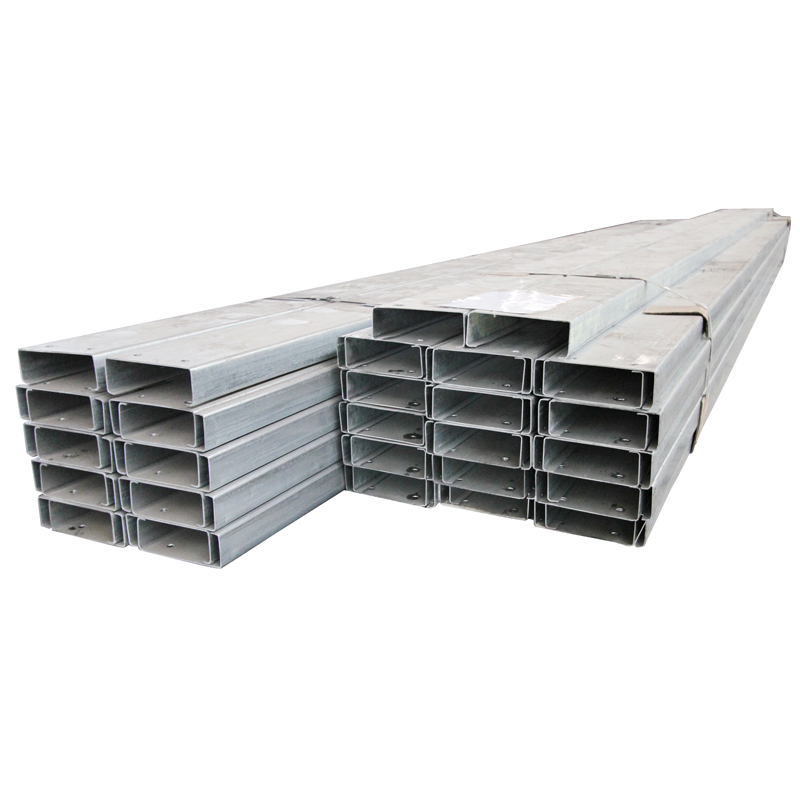
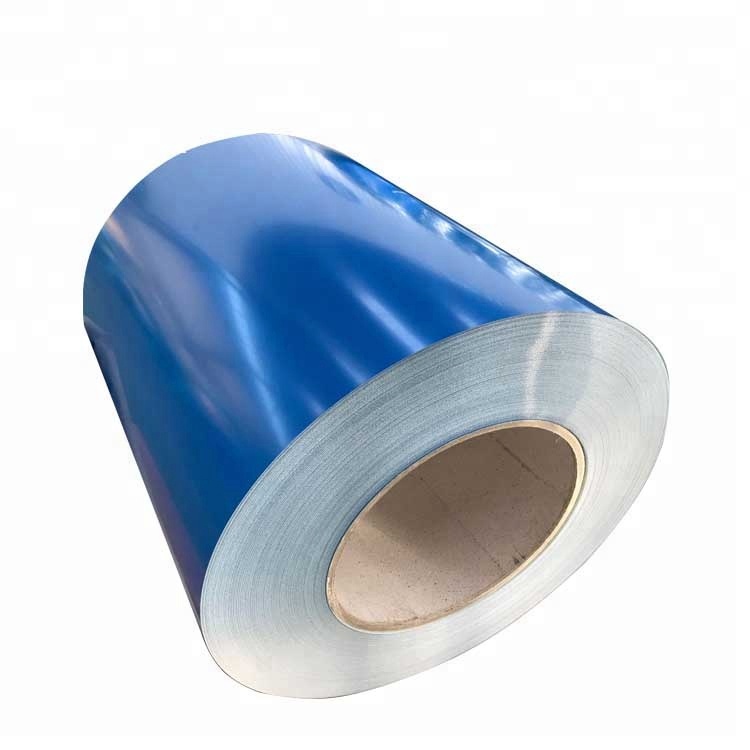
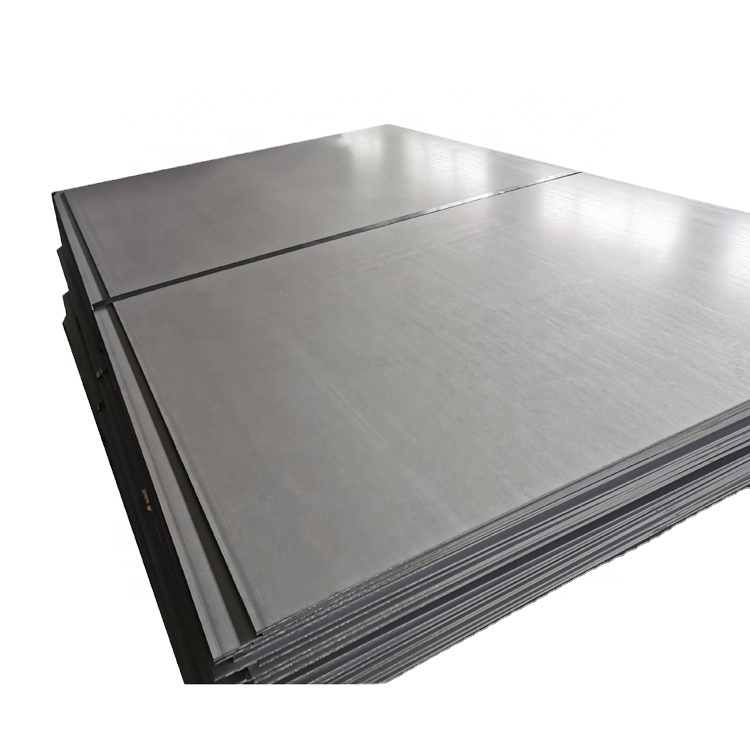
Metallum Building Structure lapis angularis factus est hodiernae constructionis ob mobilitatem, firmitatem et efficientiam. Dissimiles materiae constructionis traditae, sicut ligna et concreta, structurae metallicae multae utilitates praebent quae aptas faciunt ad opera industriae, commercialis, ac residentialibus similes. Increscens postulatio solutionum celeritatum constructionis et exercitiorum sustinendorum aedificationum adhuc acceleravit adoptionem structurarum metallorum per orbem terrarum.
Key Features of Metal Building Structure
Metallorum structurae structurae systemata machinantur quae imprimis ferro vel aluminio utuntur ad sceletum aedificii formandum. Praecipua notae quae populares structuras faciunt has includunt:
- Princeps Fortitudo ad pondus-ratio: Materiae metallicae, praesertim chalybis, eximiae vires leves manentes praebent. Maioribus palmis hoc concedit sine necessitate ad columnas amplas sustentandas.
- Diuturnitatem: Metallorum structurae putrescant, pestes et ignis repugnant, quae significanter dilatantur spatium aedificii ad constructionem lignorum fundatam.
- Flexibilitas in Design: Systema aedificationis metalli modernae in varias formas, magnitudines et stylos architecturae nativus esse possunt, easque aptas ad apothecas, officiorum complexiones, lusus facultates, domicilia residentiales efficiens.
- Velox Installation: Partes metallicae praefabricatae extra locum confici possunt et celeriter onsites convenerunt, constructionem temporis et laboris gratuita minuentes.
- Eco-friendly: Structurae metallicae sunt valde recyclabiles, et ferrum componentium reddi vel reprobari potest, sustinentes exercitia constructionis sustinentia.
Comparatio cum Traditional Construction Methods
Metal vs
Concreta aedificia propter firmitatem ignisque resistentiam cognoscuntur. Sed graviora sunt, tempora sanare longiora requirunt, et saepe magnis fundamentis egent. E contra, metallum aedificium structurae leviores sunt, permittunt enim citius ecclesiam, et facilius sunt modificari vel dilatare.
Metal vs
Lignum renovabile est et appellatio aestheticam habet, sed vulnerabilis est ad termites, umorem et ignem. Metallorum structurae ligna in vetustatem et sustentationem perficiunt, easque magis in longo spatio sumptus efficaces efficiunt.
Metal vs. Hybrid Structures
Hybrid structurae metallo coniungentes et aliae materiae pensare sumptus et effectus conantur. Dum aliquas commoditates utriusque materiae praebent, structurae structurae metalli plene praestantia longitudinis, constructionis temporis imminutae, et gratuita vivendi minora.
Applications of Metal Building Structure
In tortor of metallum aedificium structurae permittit uti in amplis applicationibus:
- Industriae Aedificiorum: Officinas, apothecas, et centra logistics prosunt ex palmis apertis et structuris metallicis durabilibus.
- Aedificiorum commercialium: Malleorum, officiorum aedificiorum, et spectaculorum atria, structurae metallicae ad rationes flexibiles et aestheticas recentiores utuntur.
- Aedificiorum agriculturae: Horrea, tabulae repono, et tabulae conservatoriae vires obtinent, resistentia, et valorem diuturnum a constructione metallica.
- Residentialibus aedificiis: Magis, domos et complexa diaetarum adhibent tabulas metallicas pro constructione motus repugnantis et ignis repugnantis.
commoda Metal Aedificium Structure
Plures factores conferunt ad divulgationem adoptionis structurarum metallicarum;
- Sumptus efficax: Inferior constructio et sustentatio constat super vita aedificationis.
- Celeritas Constructionis: Partes praefabricatae permittunt aedificia erigi in fractione temporis ad methodos traditionales comparati.
- Flexibilitate et Expandability: Structurae mutari, ampliari vel collocari possunt cum distractione minima.
- Environmental Beneficia: Princeps recyclability reduces constructionem vastum et impulsum environmental.
- Mollitia: Metales structurae extremae tempestatis, seismicae actionis et ignis meliores quam materiae traditae sustinent.
Institutionem et Sustentationem Considerationibus
Installing a metallum aedificium structuram accuratius ipsum et peritissimum laborem requirit. Includunt considerationes key:
- Prospicere fundamentum proprium ad compagem metallicam sustentandam.
- Utens corrosio repugnans coatingit contra rubiginem praesidio.
- inspectiones regulares ad integritatem structuram conservandam.
- Codicibus aedificiorum locorum inhaerentes ac signa tuta sunt.
Pretium Analysis et Lifecycle Benefits
Cum collocatio initialis pro metallo aedificatio sit altior ligno, sumptus laboris imminuti, temporis complementum ocius, praemiorum assecurationis inferioris, et minima sustentatio ad altiore peculi sumptus ducunt. In vita aedificii, metallum aedificium structurae saepe magis oeconomica quam concreta aut ligna facere.
Frequenter Interrogata (FAQ)
1. Suntne aedificia metallica industria efficientis?
Ita. Composita cum velitationibus et coatingis reflexivis, aedificia metallica altam industriam efficientiam consequi possunt et costs calefaciendi et refrigerandi minuere.
2. Potestne metalli aedificia calamitates naturales sustinere?
Metales structurae terrae motui, ventis et igni maxime faciles sunt, easque regiones proclives in calamitatibus tutiores reddunt.
3. Estne customisatio possibilis cum structura metallica?
Absolute. Metales structurae systemata machinari possunt ad varias altitudines, propositiones et consilia ad proprias functiones et aestheticas necessitates occurrere.
4. Quousque metallum aedificia durant?
Ad propriam sustentationem, structurae metallicae structurae per 50 annos vel plures durare possunt, multae materiae constructionis traditionalis.
5. Suntne aedificia metallica sustineri?
Ita. Plurimum metallum in constructione adhibitum recyclabile est, et ipsae structurae restitui vel collocari possunt, altiore ictum environmental reducendo.
Crescens popularis metallum aedificium structurae in moderna constructione sua vetustas, flexibilitas, celeritas institutionis ac sumptus-efficacia impellitur. Sive pro industriali, commerciali, agriculturae, vel residentiali usu, structurae metallicae solutionem sustinebilem et diuturnam praebent quae exigentiis hodiernae industriae constructionis occurret. Facultas ut materias traditionales in longivitate, salute, et environmental sustineri possint, efficit ut structurae metallicae structurae modernae architecturae decenniis futuris dominari pergant..